

January 16, 2026 | Interview by Angela Slosarski
The performing arts at Graceland have always been about more than what happens under the spotlight. Early Graceland theatre faculty like Roscoe Faunce ’26 (1934-60), Winston Imslee ’42 (1955-85), and Celia Schall ’47 (1957-90) laid foundational roots in the performing arts, ensuring they are about discovery, belonging, and transformation, qualities that echo through every rehearsal, recital, and performance in today’s Shaw Center.
Now, with a reimagined Performing Arts major, Graceland is redefining what it means to study the performing arts in a changing world. We gathered the creative forces leading that vision — Manuel, Phipps, Worden, and Wyman — for a conversation about collaboration, creativity, and the heartbeat of the performing arts at Graceland.
Horizons: Kim, you helped shape this new Performing Arts major. How would you describe its spirit?
Kim Manuel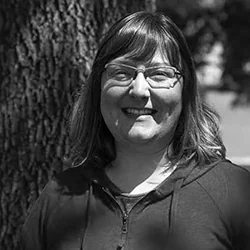 : At its core, this program is about creativity, connection, and courage. The performing arts have always reflected culture, and today that culture moves faster and feels more interconnected than ever. We wanted to create a program that prepares students to meet that world, one that honors tradition but also embraces innovation.
Our new Performing Arts major gives students the freedom to shape their own artistic path. Through concentrations in Dramatic Media, Business and Entrepreneurship, and Performance Studies, students can explore everything from stage and screen performance to creative production and arts management. It’s about helping them develop not just their skills, but their voice, learning who they are as artists and how their work can make an impact.
The Shaw Center is a huge part of that experience. Having a beautiful recital hall (Carol Hall), the black box (JR Theatre), and the auditorium (Shaw Family Auditorium) all under one roof allows students to collaborate with one another and with a variety of professionals working in our evolving performing arts industry. That spirit of connection defines who we are.
Leah Wyman : As someone who’s new to Graceland, that sense of collaboration was the first thing I noticed. This community genuinely supports each other, it’s not just a tagline, it’s lived out every day. Students care deeply about inclusion and about whose stories get told, and the faculty are intentional about nurturing that. It’s rare, and it’s exactly what makes this program feel so alive.
Horizons: Cara, theatre has always been a cornerstone of Graceland’s arts culture. How has it evolved under this new structure?
Cara Phipps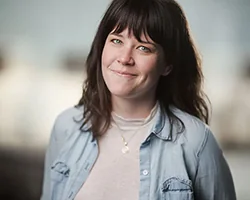 : Theatre at Graceland has always been about storytelling and connection; and that hasn’t changed, it’s grown. Through the Dramatic Media concentration, our students are exploring how stagecraft meets screen and digital design. In addition to learning fundamentals of acting, directing, and design for the stage, they also learn to tell stories which integrate film, social platforms, and new creative mediums.
What I love most is that we’re expanding possibilities without losing our sense of connection within our Performing Arts community. Whether it’s in the JR Theatre or working across music, theatre, and media projects, students learn to trust each other, take risks, and find truth in the work.
Horizons: Parker, you’ve led the instrumental program for several years. What’s your focus for students in music today?
Parker Worden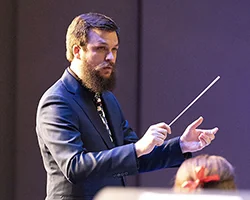 : We’re focused on developing complete musicians, artists who understand both performance and the systems that make performance possible. Students perform in bands, ensembles, and pit orchestras, but they’re also learning sound design, event production, and music technology.
One of my favorite things is how naturally collaboration happens. A Dramatic Media student might compose music for a short film, or a Performance Studies student might help produce a concert. Those intersections are where real creativity happens, and it mirrors the collaborative world they’ll work in after graduation.
Horizons: Kim, how does the Business and Entrepreneurship track fit into that creative mix?
Manuel: It gives students the tools to make their career goals possible. They learn about arts management, marketing, and leadership — how to run a production, fund a project, or even start their own company. It’s a creative degree with a practical edge, and it connects naturally with the performance area.
Horizons: Collaboration clearly connects every part of the program. Leah, as the new Director of Choral and Vocal Studies, what stands out to you about Graceland’s arts community?
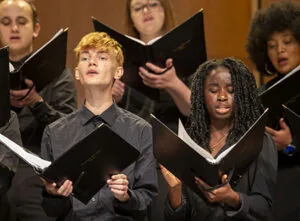 Wyman: The first thing that struck me is how genuinely welcoming it is. Graceland walks the talk when it comes to community and belonging. Our choral tradition has always been about blending individual voices into something greater, and my goal is to nurture that sense of connection while expanding what we do through new repertoire, collaborations, and community engagement. I love how open our students are to trying new things. Many of them care deeply about inclusion and about whose voices and stories we bring forward. When they find harmony together, they’re also finding community.
Horizons: The program has been described as a home for students who feel like they don’t belong anywhere else. What does that mean in practice?
Manuel: That’s really the heart of it. The Performing Arts have always provided a space where people can be seen and celebrated for their individuality. We want every student to feel safe to take creative risks and confident in expressing themselves.
Phipps: You can feel a sense of belonging in every rehearsal. When students realize they’re supported enough to fail, that’s when the discovery and growth so essence to craft happens.
Wyman: Exactly. Whether you’re in a choir or on stage, when you bring your authentic self, you not only make better art, you build connection. That’s the transformative part.
Worden: That sense of connection stays with students long after they graduate. We hear it from alumni all the time, how those shared experiences in music, theatre, and performance shaped their confidence and creativity in life.
Horizons: How can alumni and friends stay connected or support what’s happening in the performing arts today?
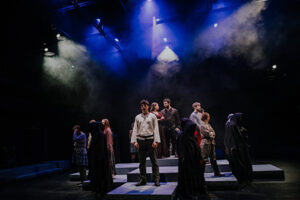 Manuel: Come back. Attend concerts, plays, and musicals because your presence matters. Alumni can mentor students, sponsor guest artists, or help fund additional scholarships, projects, and trips we have planned for our Performing Arts students.
Phipps: Share your stories. Our students love hearing how former Gracelanders built careers in the arts or used creativity in unexpected fields. It reminds them that their training here has reach beyond the Shaw Center.
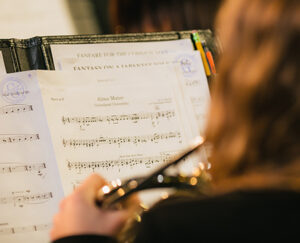 Worden: Every instrument, every opportunity, and every scholarship makes a difference. The more support we have, the more we can open doors for the next generation of artists.
Wyman: One of the most meaningful things alumni can do is share their stories with potential students. When they talk about what the arts meant to them at Graceland, it helps the next generation imagine themselves here too.
Graceland’s Performing Arts program is bold, inclusive, and forward-thinking — a blend of tradition and innovation that reflects the university’s mission at its best. With these talented faculty members guiding the next generation of performers and creators, one thing is certain: the curtain is only rising on what’s to come.
 Visit graceland.edu/VPA to view upcoming events and learn how you can get involved.


Academics - Fall 2025 / Winter 2026
January 16, 2026
Associate Professor of Allied Health James Geiselman, DC, DACBN, describes the balance of drive and curiosity that has become the Resch Scholars program’s signature feature.